

Solar Energy in Uganda: Myths That Cost Businesses Money

Solar energy has emerged as a viable solution to the nation’s pressing energy needs. However, misconceptions surrounding solar power often hinder businesses from embracing this sustainable technology. In this blog post, we will debunk prevalent myths about solar energy in Uganda that may be costing Ugandan businesses money and provide insights into the realities that could lead to significant savings.

The High Cost Myth

One of the most pervasive myths is that solar energy systems are prohibitively expensive. While it’s true that the initial investment in solar panels and installation can seem daunting, the reality is much more favorable. Over the past decade, the costs of solar technology have plummeted. According to industry reports, the price of solar installations has decreased by over 70% in recent years.

Moreover, various government incentives and financing options are now available, enabling businesses to adopt solar solutions with minimal upfront costs. For instance, many organizations in Kampala have successfully utilized innovative financing mechanisms, such as pay-as-you-go models, which allow businesses to spread the cost of installation over time. This approach not only makes solar energy more accessible but also ensures that businesses start saving on electricity bills almost immediately.

Real ROI Cases from Kampala

To illustrate the financial benefits of solar energy, consider the case of a local restaurant in Kampala that transitioned to solar power. By installing solar panels, the restaurant reduced its monthly electricity costs by up to 60%. This significant saving allowed the business to reinvest in other areas, such as hiring more staff and enhancing customer experiences. Such examples showcase that the long-term ROI( Return on investment ) of solar energy far outweighs the initial installation costs, making it a financially sound choice for Ugandan businesses.

The Inefficiency Myth

Another misconception is that solar energy is inefficient and cannot meet the energy demands of businesses. In truth, modern solar panels boast efficiencies exceeding 20%, thanks to advancements in photovoltaic technology. This efficiency means that solar systems can generate substantial electricity even in less-than-ideal weather conditions.

Furthermore, innovations such as bifacial solar panels and solar tracking systems have enhanced the ability of solar installations to capture sunlight and convert it into usable energy. These technologies have proven particularly effective in Uganda, where sunlight is abundant.

Businesses that have adopted solar power in Kampala report not only reliable energy supply but also the ability to operate consistently during peak hours. This dispels the myth that solar energy is an unreliable source of power.

Environmental Concerns Myth

Some businesses hesitate to adopt solar solutions due to concerns about their environmental impact. The belief that solar energy systems are environmentally detrimental is a myth that requires clarification. While the manufacturing of solar panels does involve some ecological footprint, advancements in production methodologies are significantly reducing this impact.

Today’s manufacturers are increasingly adopting sustainable practices that minimize waste and carbon emissions. Additionally, solar energy systems produce zero greenhouse gas emissions during operation, making them a clean and sustainable alternative to fossil fuels.

By transitioning to solar energy, businesses not only contribute to a cleaner environment but also enhance their brand image by demonstrating commitment to sustainability. This is especially important in today’s market, where consumers are increasingly drawn to environmentally responsible companies.

The Obsolescence Myth

Finally, some Ugandan businesses believe that solar energy is on the verge of obsolescence due to rapid technological advancements. On the contrary, solar energy is evolving to become more efficient and reliable. The global shift towards renewable energy, driven by climate change concerns and supportive policy frameworks, reinforces the potential for solar power to thrive.

Investments in solar infrastructure and research are increasing, ensuring that solar technology continues to improve. This dynamic nature of solar energy positions it as a long-term solution for businesses looking to secure their energy needs while reducing costs.

The Path Forward

As we have discussed, the myths surrounding solar energy in Uganda often lead businesses to miss out on substantial savings and sustainable practices. By debunking these misconceptions, we can encourage more Ugandan businesses to embrace solar power, ultimately leading to a more sustainable energy landscape in the country.

If you’re considering solar solutions for your business, now is the time to act. Educate yourself about the available technologies, explore financial incentives, and connect with local solar providers who can guide you through the installation process.

For more information on solar tools and solutions tailored to Ugandan businesses, check out our internal links: Solar Solutions and Solar Tools. Embrace the truth about solar energy—saving money and securing a sustainable future for your business is just a decision away.
AI for African Farmers: 5 Free & Low-Cost Tools to Boost Yields

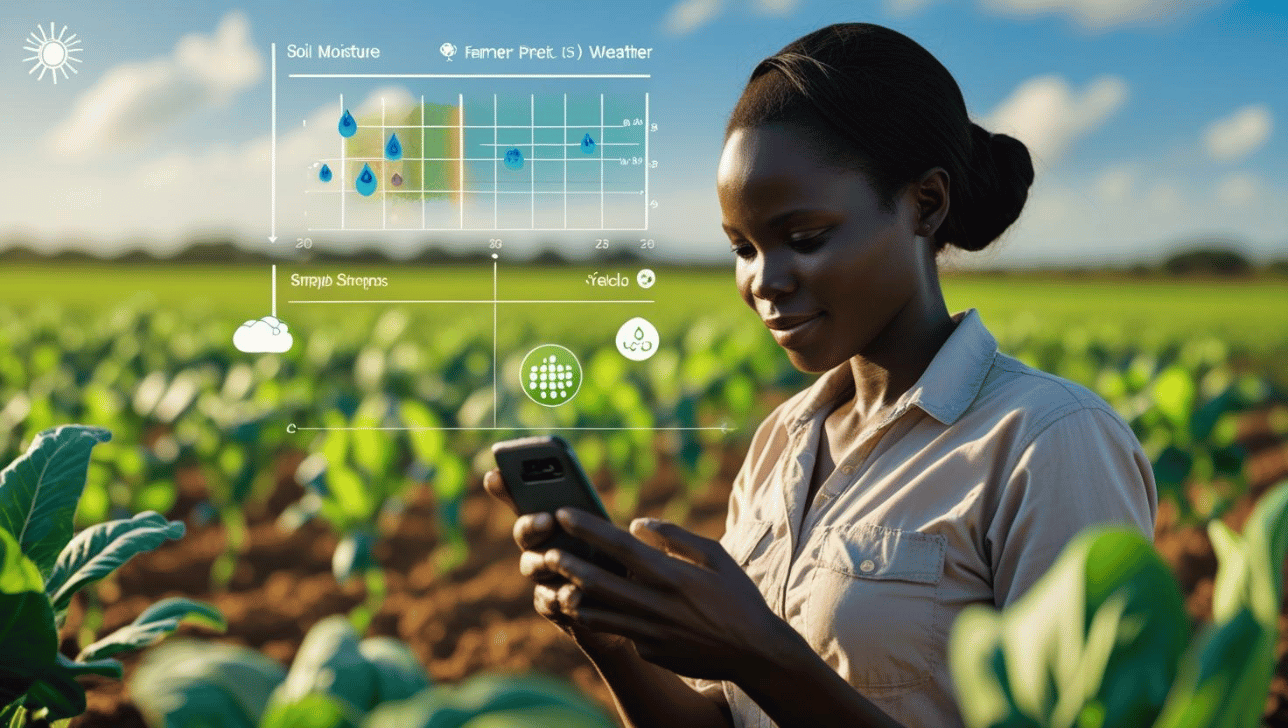
In the evolving landscape of agriculture, technology is becoming a game-changer, especially for smallholder farmers across Africa. The challenges of climate change, resource scarcity, and market fluctuations require innovative solutions to enhance productivity while minimizing costs. Enter artificial intelligence (AI)—a powerful ally that is revolutionizing farming practices. This blog post highlights five free and low-cost AI-powered tools that empower African farmers to increase their yields and improve their livelihoods.

1. Soil Sensors: Unlocking the Secrets of Your Land

Understanding soil health is crucial for successful farming. AI-driven soil sensors provide farmers with real-time insights into the conditions of their fields. These sensors measure vital parameters such as moisture levels, pH, and nutrient content, enabling farmers to make informed decisions about irrigation, fertilization, and crop selection.

Benefits:

  • Cost Savings: By gaining insights into soil conditions, farmers can optimize resource use, reducing waste and unnecessary expenses.
  • Increased Yields: Targeted interventions based on sensor data lead to healthier crops and improved yields.

Recommended Tool: CropX

CropX offers a free trial for its soil sensor technology, allowing farmers to monitor their fields without significant upfront investments. This user-friendly tool integrates seamlessly with mobile devices, making it accessible for farmers at all levels.

2. AI-Powered Chatbots: Your 24/7 Agricultural Advisor

Timely access to agricultural information is essential for farmers, particularly in regions where expertise may be limited. AI-powered chatbots serve as virtual advisors, providing instant responses to queries about crop management, pest control, and market prices.

Benefits:

  • Accessibility: Farmers can seek advice anytime, ensuring they make informed decisions promptly.
  • Cost-Effective: Chatbots reduce the need for expensive consultations with agricultural experts.

Recommended Tool: AgroAI

AgroAI offers a free chatbot service that delivers personalized advice based on farmers’ specific needs and local conditions. By utilizing this tool, farmers can receive tailored recommendations that enhance their agricultural practices.

3. Predictive Analytics for Weather Forecasting

Weather variability poses significant challenges for farmers, affecting planting schedules and crop management decisions. AI-driven predictive analytics tools help farmers anticipate weather patterns and make data-informed decisions.

Benefits:

  • Risk Mitigation: Understanding upcoming weather conditions allows farmers to plan accordingly, reducing the risk of crop loss.
  • Enhanced Planning: Predictive analytics supports better scheduling of planting and harvesting, ultimately improving operational efficiency.

Recommended Tool: Climate FieldView

Climate FieldView offers a free version of its weather forecasting tools, enabling farmers to access localized forecasts and insights. This platform combines weather data with field-specific information to provide actionable recommendations.

4. Precision Agriculture Apps: Optimize Resource Usage

Precision agriculture tools leverage AI to analyze data from multiple sources, helping farmers optimize resource use across their operations. These applications assist with everything from pest detection to irrigation management.

Benefits:

  • Efficiency: Using resources more effectively lowers costs and increases productivity.
  • Sustainability: Precision agriculture promotes sustainable farming practices by minimizing waste and environmental impact.

Recommended Tool: FieldMargin

FieldMargin is a user-friendly app that offers farmers a range of precision agriculture features, including field mapping and task planning. The basic version is free, making it an excellent option for smallholder farmers looking to enhance their operations.

African farmer doing market analysis

5. Market Analysis Tools: Stay Ahead of Pricing Trends

Understanding market dynamics is critical for farmers wanting to maximize profits. AI-driven market analysis tools provide insights into pricing trends and demand forecasts, helping farmers make informed selling decisions.

Benefits:

  • Informed Selling: Farmers can time their sales to coincide with peak prices, enhancing profitability.
  • Market Awareness: Access to data-driven insights helps farmers adapt to changing market conditions.

Recommended Tool: AgriMarket

AgriMarket offers a free platform that provides real-time market data and pricing trends. By utilizing this tool, farmers can enhance their negotiating power and ensure they receive the best return on their investments.

Conclusion: Embracing AI for a Sustainable Future

The integration of AI in agriculture presents a unique opportunity for smallholder farmers in Africa to overcome challenges and enhance productivity. By leveraging free and low-cost tools such as soil sensors, chatbots, predictive analytics, precision agriculture apps, and market analysis platforms, farmers can optimize their operations and boost yields.

As we move toward a more technologically advanced agricultural landscape, it is essential for farmers to embrace these innovations. By doing so, they not only improve their own livelihoods but also contribute to food security and economic growth in their communities.

For more resources on sustainable solutions, check out our articles on Solar Solutions and IT Consulting. Together, let’s support the future of African agriculture!