
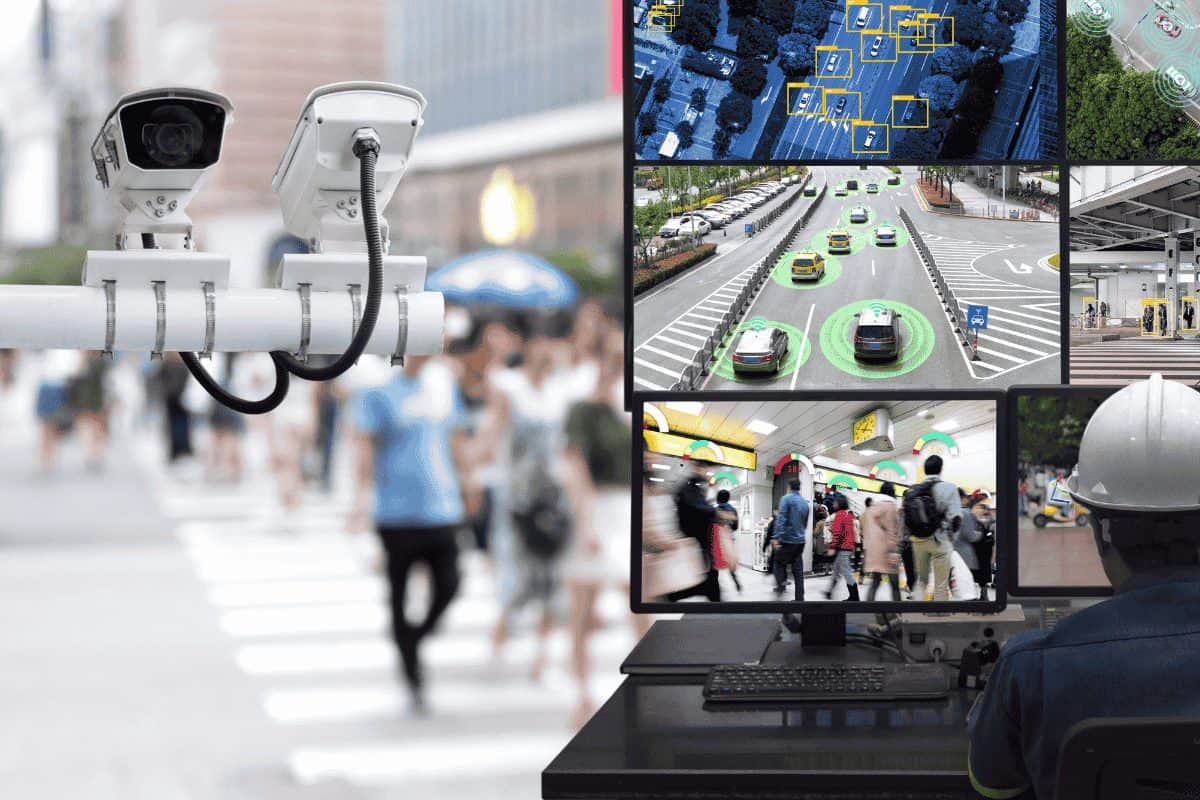
In today’s world, where security concerns are paramount, property owners face a critical decision: should they rely on traditional Closed-Circuit Television (CCTV) systems or make the leap to advanced smart surveillance technologies? This choice is not merely one of preference; it reflects the evolving landscape of property security and the need for systems that can adapt to modern threats.
Understanding CCTV Technology
Closed-Circuit Television (CCTV) has been a cornerstone of security for decades, providing a reliable means of monitoring premises. CCTV systems typically consist of cameras that capture video footage, which is then transmitted to a limited set of monitors within a closed circuit. This traditional setup ensures that only authorized personnel have access to the surveillance feeds, maintaining a level of security and privacy.
Operational Mechanics
CCTV operates on the principles of analog or digital signal transmission. The cameras capture footage in real-time, allowing for continuous monitoring of designated areas. However, this technology’s limitations become apparent as security needs evolve. Traditional CCTV systems rely heavily on physical storage solutions, such as hard drives or DVRs, which can be vulnerable to damage, theft, or failure. Moreover, while they can provide visual evidence of incidents, they lack advanced features such as remote access, motion detection, or analytics that are increasingly necessary in today’s dynamic security environment.
Limitations of CCTV
While CCTV systems are effective for basic surveillance and monitoring, they exhibit several inherent limitations. The static nature of CCTV often results in passive observation rather than proactive response. For instance, if a security breach occurs, the footage may only serve as a post-incident analysis tool rather than a means of preventing the incident in real-time. Furthermore, without advanced analytical capabilities, property owners may find it challenging to identify patterns or trends in security incidents, leaving them vulnerable to repeat offenses.
Exploring Smart Surveillance Systems
In contrast, smart surveillance systems represent a significant evolution in security technology. These advanced systems integrate cutting-edge technologies such as artificial intelligence (AI), machine learning, and cloud computing to enhance property security in ways that traditional CCTV cannot.
Introduction to Smart Surveillance
Smart surveillance systems leverage AI and machine learning to analyze data in real-time, allowing for proactive threat detection and response. Unlike CCTV, which relies on human monitoring, smart surveillance can automatically alert property owners to unusual activities or potential security breaches. This capability is critical in an era where security threats are becoming more sophisticated and diverse.
Benefits of Smart Surveillance
The advantages of smart surveillance systems are manifold. One of the most significant benefits is the ability to conduct real-time monitoring and receive immediate alerts about potential security threats. This proactive approach allows property owners to respond swiftly to incidents, potentially preventing crimes before they occur.
Smart surveillance systems often incorporate advanced features such as facial recognition, which enhances the identification process of individuals entering or exiting a property. This not only deters unauthorized access but also provides a more comprehensive overview of who is on the premises at any given time. Furthermore, smart surveillance systems utilize enhanced data analytics, enabling property owners to analyze behavioral patterns and make informed security decisions based on actionable insights.
Cost Analysis: CCTV vs. Smart Surveillance
When considering security solutions, cost is undoubtedly a significant factor. A comprehensive cost analysis reveals important distinctions between traditional CCTV and smart surveillance systems.
Initial Investment Costs
CCTV systems typically present a lower initial investment, largely due to their simpler technology and installation processes. This affordability makes them an attractive option for budget-sensitive property owners. However, it is essential to consider the long-term implications of this choice. On the other hand, smart surveillance solutions often require a higher upfront financial commitment, reflecting the advanced functionalities they offer, such as AI analytics and cloud-based storage.
Long-Term Financial Implications
While the initial costs of smart surveillance may deter some property owners, it is crucial to factor in potential long-term savings. Smart surveillance can lead to reduced labor costs for monitoring and enhanced crime deterrence, which may offset higher initial expenses over time. Additionally, properties equipped with advanced security measures often qualify for lower insurance premiums, further adding to the cost-effectiveness of smart surveillance systems.
Privacy and Ethical Considerations
As surveillance technology evolves, so do the ethical implications surrounding its use. Both CCTV and smart surveillance systems present unique privacy challenges that property owners must navigate.
Privacy Concerns with CCTV
CCTV systems can inadvertently infringe on individual privacy by capturing footage without consent. This raises concerns about public perception and the legal implications surrounding surveillance practices. As communities express apprehension about intrusive monitoring, the demand for more transparent and ethically responsible surveillance solutions grows.
Ethics in Smart Surveillance
Smart surveillance technologies, while offering advanced capabilities, introduce their own ethical dilemmas. The vast amounts of data collected can pose risks regarding data privacy and potential misuse of AI-driven insights. As surveillance systems become more integrated into our daily lives, it is imperative for property owners to understand the importance of ethical practices in data management and to prioritize transparency and accountability in their surveillance solutions.
Making the Right Choice for Your Property
Choosing the right surveillance system for your property involves a thorough assessment of specific security needs. Property owners must evaluate vulnerabilities, local crime rates, and physical characteristics of their space. For larger or more complex properties, advanced smart surveillance technologies may be worth the investment for their enhanced functionalities and adaptability.
Future-Proofing Your Security System
Finally, considering the future-proofing capabilities of your security system is essential. Smart surveillance solutions, with their integration of cloud computing and AI, allow for seamless updates and adaptability to emerging threats. In contrast, traditional CCTV systems may require extensive hardware modifications to incorporate new features, limiting their long-term viability.
Final Thoughts on Security Solutions
In evaluating CCTV versus smart surveillance systems, it is evident that both approaches possess unique advantages and limitations tailored to different security needs. While CCTV provides reliability and straightforward deployment, smart surveillance offers advanced features and a proactive approach to property protection. Ultimately, the choice between these technologies should be guided by specific property requirements, budget constraints, and a comprehensive understanding of privacy implications.
As technology continues to evolve, property owners must remain adaptable and informed about emerging trends in security solutions. By weighing these considerations carefully, you can select a system that not only enhances safety but also aligns with your values and operational objectives.
